Pre-Expedition Note: This is a placeholder article for testing prior to the start of the Camino de Santiago on the 30th September 2026 from Somport.
Over the Col du Somport: The Aragonese Descent
The transition across the Pyrenean crest from Aspe into the valley of the Aragón River marks one of the quietest entries into northern Spain.
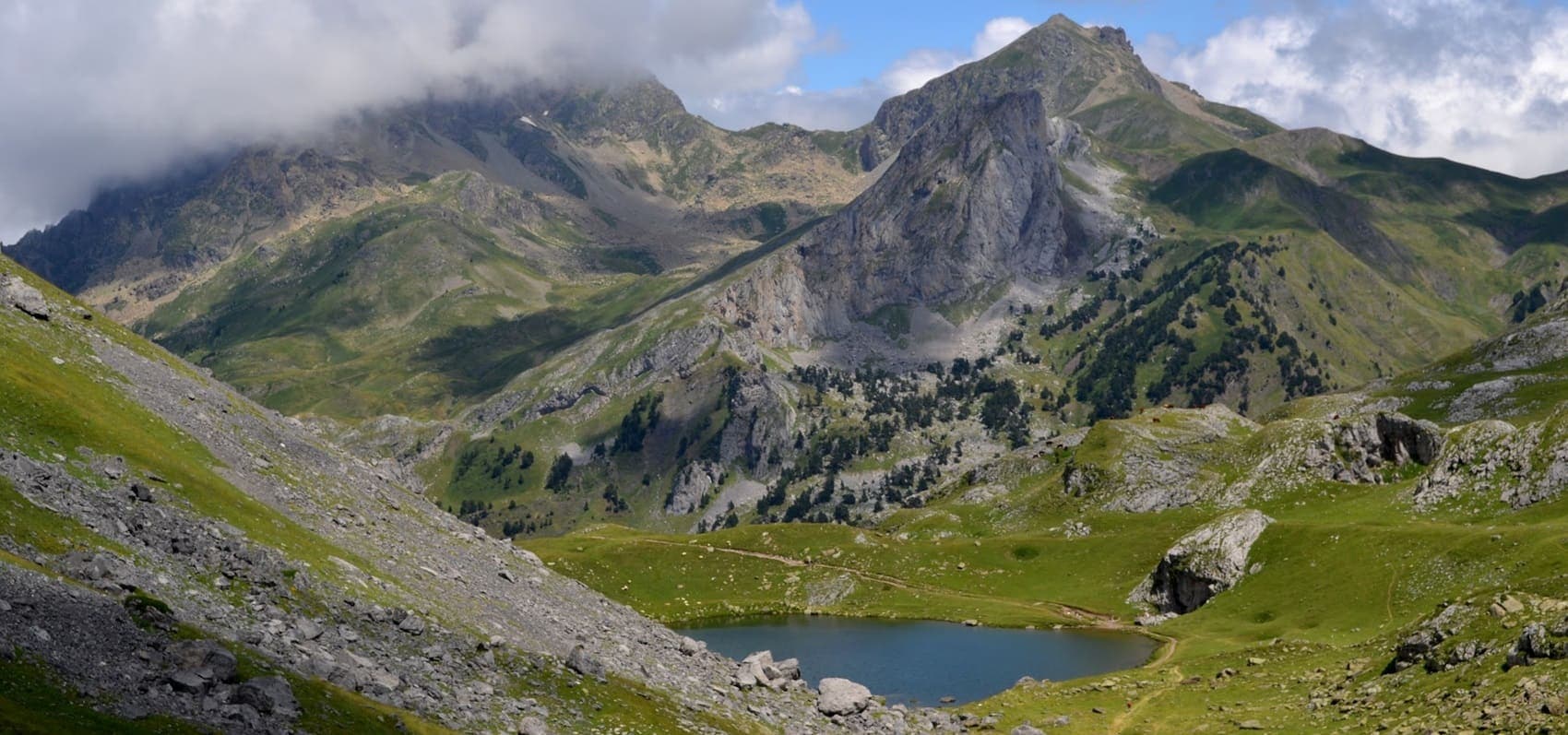
Passing Canfranc
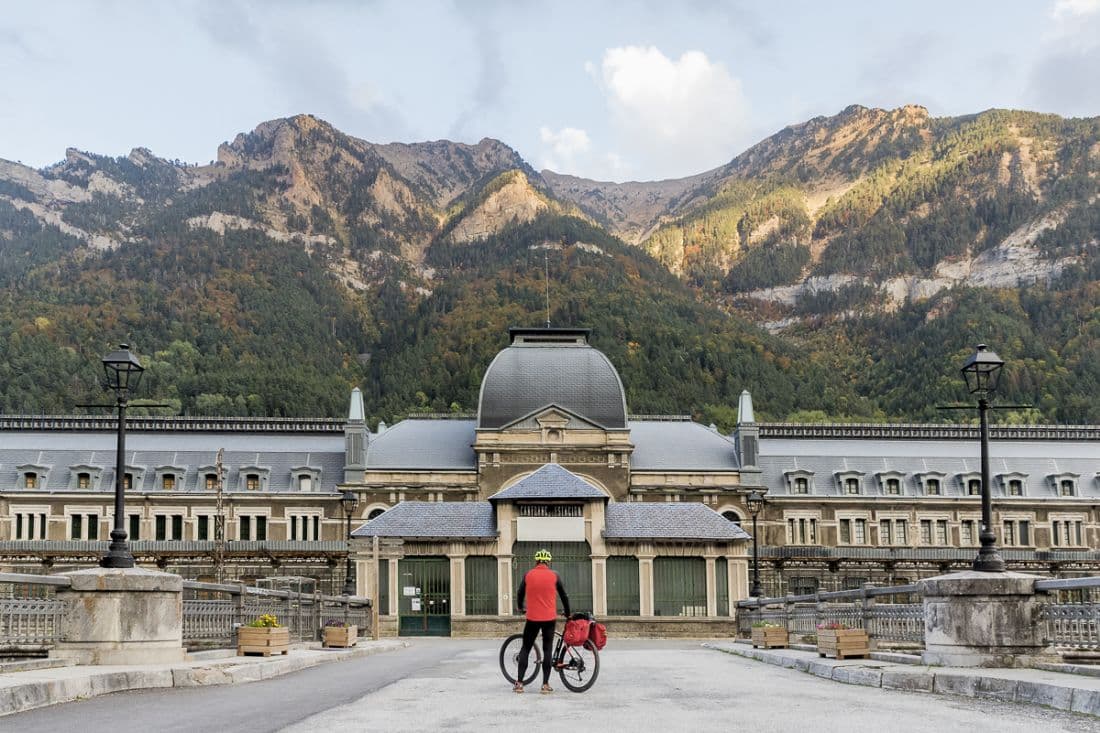
Dropping out of the upper treeline reveals the grand neoclassical façade of the International Railway Station. The valley narrows sharply here; the trail stays close to the course of the Rio Aragón along historical pack tracks.
The dry pine scent gives way to limestone dust and shaded riverside paths lined with hazel and scrub oak.
Two-Column Comparison
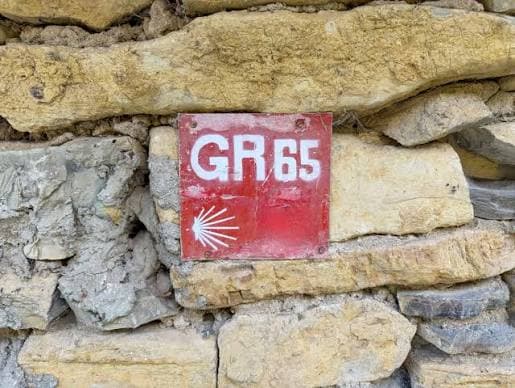
Route Overview
Field Notes & Waypoints
- The Col du Somport (1,632m): Cold, persistent wind coming off the French side at dawn. The path picks up near the stone ruins of the Hospital de Santa Cristina de Somport, one of the great historical hospice stations for Pyrenean travelers alongside Jerusalem and the Great St Bernard.
- Canfranc Estación: Dropping out of the upper treeline reveals the grand neoclassical façade of the International Railway Station. The valley narrows sharply here; the trail stays close to the course of the Rio Aragón along historical pack tracks.
- The Woods of Villanúa: The descent levels out noticeably. The dry pine scent gives way to limestone dust and shaded riverside paths lined with hazel and scrub oak.
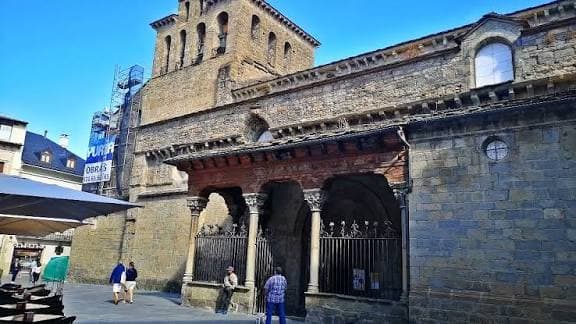
- Arrival in Jaca: Reaching the outskirts around late afternoon. Entering through the older medieval avenues toward the Romanesque Cathedral of San Pedro and the Pentagonal Citadel. The terrain flattens out entirely, leaving the high Pyrenean wall directly behind to the north.
Gear & Logistics Observations
- Footwear: Stiff trail runners handle the initial scree and rocky switchbacks above Candanchú comfortably, but the high mileage on compacted river stone between Villanúa and Castiello makes cushion density noticeable by kilometer twenty-five.
- Water Availability: Reliable fountain points at Canfranc-Pueblo and Villanúa; no need to carry more than 1.5 liters between intermediate settlements.
- Pacing: Estimated walking time roughly 7 hours 15 minutes excluding stops, taking advantage of the sustained negative elevation gradient.